
Are Your Bearded Dragon's Feeder Insects Too Big? |
A quick size check before feeding, with guidance for safer routines |
Conny Jo
Sep 27, 2026
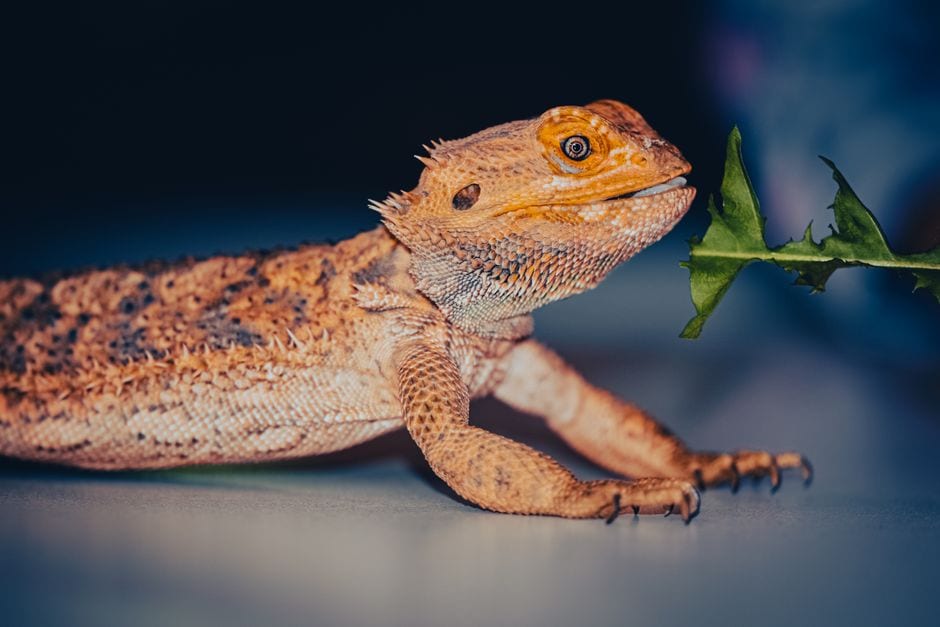
It is easy to buy the right kind of insect in the wrong size.
UC Davis's bearded dragon care guide warns that insects that are too large can cause serious health problems.
Choose appropriately small feeders, especially for a young dragon, and increase size gradually as the animal grows.
Before feeding, compare the insect with your dragon rather than trusting the store's age label on the tub.
Ask your reptile veterinarian for a size recommendation if the dragon is very young, undersized, or having trouble eating.
Feed in a dish when practical so insects are less likely to carry substrate into the mouth.
A feeder that is safe for an adult may be inappropriate for a hatchling, and insects sold under the same name can vary considerably in size.
Make the comparison while the insect is still in the container, before you dust it or place it in the feeding dish.
A reluctant swallow, repeated spitting, or difficulty catching prey is a signal to pause and reassess the feeder rather than offering more of the same batch. |
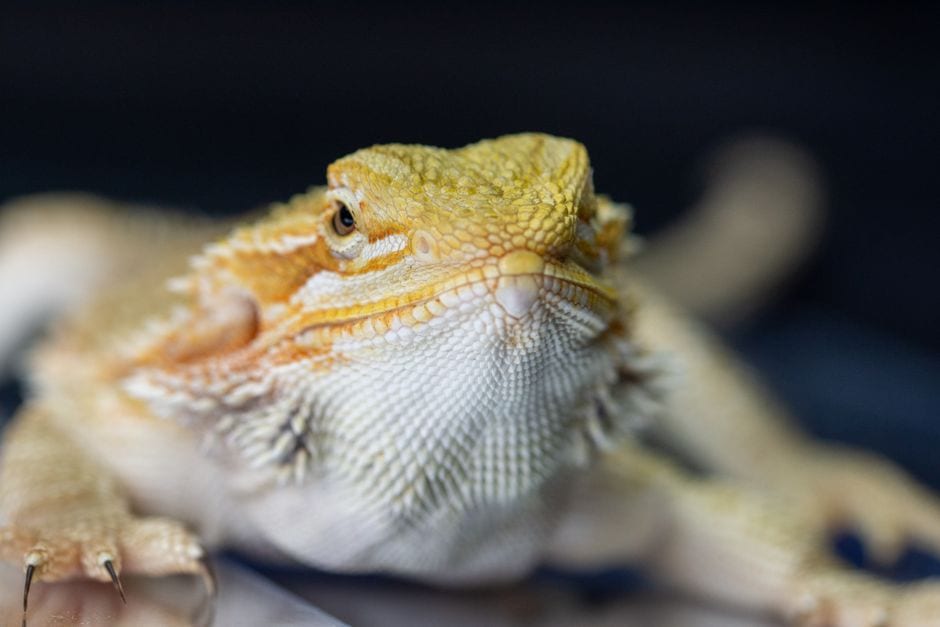 Photo by Lily on Pexels |
Size is only one part of the feeding check.
UC Davis also recommends gut-loading feeder insects and dusting them with calcium immediately before feeding.
VCA's feeding guide explains why the balance of insects and plant foods changes with age and individual health.
Offer a variety appropriate to your dragon, remove uneaten live insects, and watch whether it chews and swallows normally.
If an insect seems too large, set it aside; there is no prize for seeing whether a dragon can force it down.
For an additional veterinary overview of feeding and housing, consult PetMD's care sheet.
Sudden weakness, abnormal movement, or inability to feed is a reason for prompt reptile veterinary advice.
Keep a note of which feeder sizes work well at each stage of growth, since the size that was suitable last month may change as the dragon develops.
Healthy feeding also depends on what the insects ate before they reached the tank, which is why gut-loading is part of the routine rather than an optional flourish.
Use your veterinarian's advice for calcium and other supplements, because age, diet, lighting, and health all affect the plan.
Separate the question of insect size from how many to offer; a correctly sized feeder can still be overfed.
When a dragon stops eating or shows unusual weakness, treat it as a health question, not simply a reason to switch to a different insect. |
17 Comments
Join the conversation
I had no idea wrong feeder size could cause serious health issues until my vet mentioned it at a checkup. Glad this kind of info is more available now.
This is solid info but I do wonder how often new owners even read care guides before getting a beardie. The stores around here do not always give great advice at the point of sale.
Pete GarrisonSo true. I got my first beardie from a chain pet store and the employee just said "feed it crickets" and that was basically it. Had to figure everything else out myself online.
I appreciate that it says to check with a reptile vet specifically. Not all vets know reptiles well so finding one who does is worth the extra drive honestly.
Wanda F.This is so underrated. I drove 45 minutes to find a vet who actually specializes in reptiles and it made a huge difference. A general vet once told me something about my gecko that turned out to be completely wrong.
Quick question, do juvenile dragons eat more often than adults or is frequency separate from the size issue? Trying to get a full picture here.
carlos_b87Yeah frequency is a separate thing. Juveniles eat way more often, like twice a day sometimes, while adults usually go once a day or even every other day. Size and frequency both matter a lot when they are young.
The substrate in the mouth thing is real. I lost a feeder cricket once under the sand and my dragon found it before I did. Dish feeding from now on for us.
LaurenReptilesSame thing happened to me with a dubya roach that escaped into the coco fiber. Dish feeding is just so much easier to manage overall. Wish I had started that way from day one.
My vet told me the same thing about sizing up gradually. I think a lot of new owners assume bigger food means faster growth and that is not really how it works.
Does anyone know if this size caution applies to roaches the same way it does to crickets? We recently switched feeders and I want to make sure I am not going too big.
I still use the eye width rule, the feeder should be no wider than the space between the dragon's eyes. Works pretty well for me but curious if others do something different.
That's a great practical rule of thumb that many experienced keepers rely on, the key takeaway from the guide is simply that you're comparing the insect directly to your dragon rather than trusting a size label on the tub, which is exactly what the eye-width method achieves.
Good reminder to check with a vet if your dragon is undersized. My little guy was behind on growth and the vet gave us a whole feeding plan that actually worked.
The part about not trusting the store label is so true. I bought a tub that said medium and they were absolutely huge. My juvenile dragon wanted nothing to do with them.
How do you actually compare the insect to the dragon in practice? Like do you hold them next to each other or is there a general rule of thumb people use?
The dish tip is something I wish I had known earlier. My beardie kept getting mouthfuls of sand and I could not figure out why she was acting off. Switched to a small ceramic dish and it made a huge difference.