
Bearded Dragon Lifespan: How Long Do They Live? |
A practical guide to the ranges, care habits and warning signs that matter |
Conny Jo
Sep 22, 2026
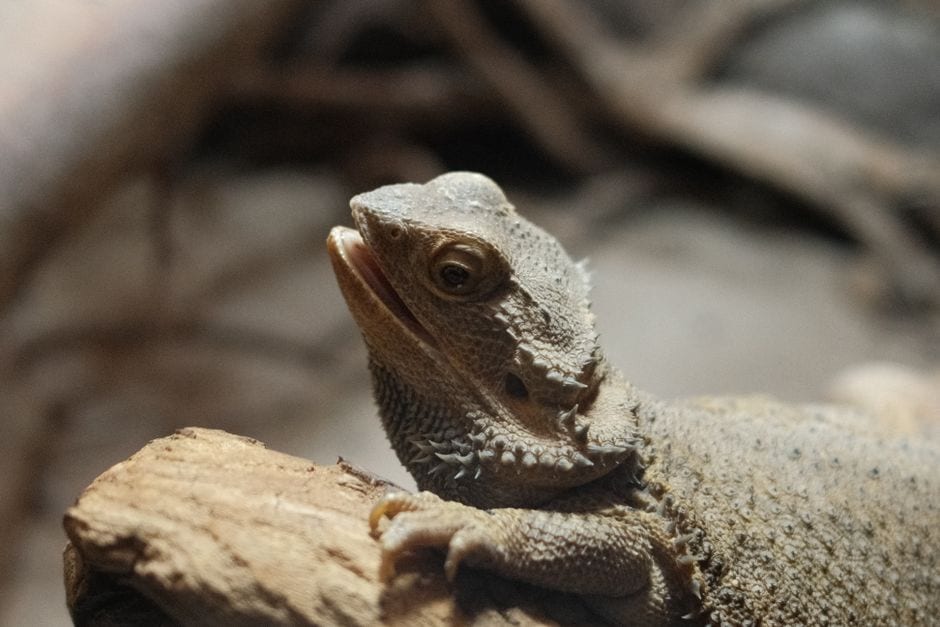
How long do bearded dragons live? For a pet, plan on a commitment of at least a decade. Published care guides give different ranges: UC Davis School of Veterinary Medicine says 7–10 years with proper care in captivity, while the RSPCA says they usually live 10–15 years or more. Neither range predicts how long an individual dragon will live. Age, health history, environment and veterinary care all matter. Bearded dragon lifespan in captivityCaptive dragons rely on their keepers for the conditions they would otherwise seek out: a warm basking area, a cooler retreat, suitable UVB light, clean water and food appropriate to their age. A well-run enclosure can support a long life, but captivity alone is no guarantee. If you are considering adoption, budget and plan for many years of lighting, food, habitat upkeep and access to a reptile veterinarian. Some people ask for an average lifespan of a bearded dragon, but the two reputable ranges above are a more honest answer than one precise “average.” They come from different care guides rather than a shared study of every pet dragon. An unusually old dragon is possible; it should not be the expectation on which you base a care plan. What can affect a bearded dragon’s lifespan?Heat and UVB: A dragon needs a measured temperature gradient so it can move between warmer and cooler areas. UVB exposure supports calcium metabolism. Bulbs age, placement matters, and glass can block useful UVB, so check the manufacturer’s replacement guidance and the actual basking setup. Our UVB setup checklist walks through the practical checks. The Merck Veterinary Manual describes how nutrition, lighting and temperature problems can contribute to metabolic bone disease in reptiles. Food and hydration: Needs change as a dragon grows. Offer an age-appropriate balance of greens and insects, use supplements under reptile-vet guidance, and keep fresh water available. Avoid treating a single feeding chart as a lifetime prescription. Weigh your dragon regularly and discuss a trend in weight or appetite with your vet. |
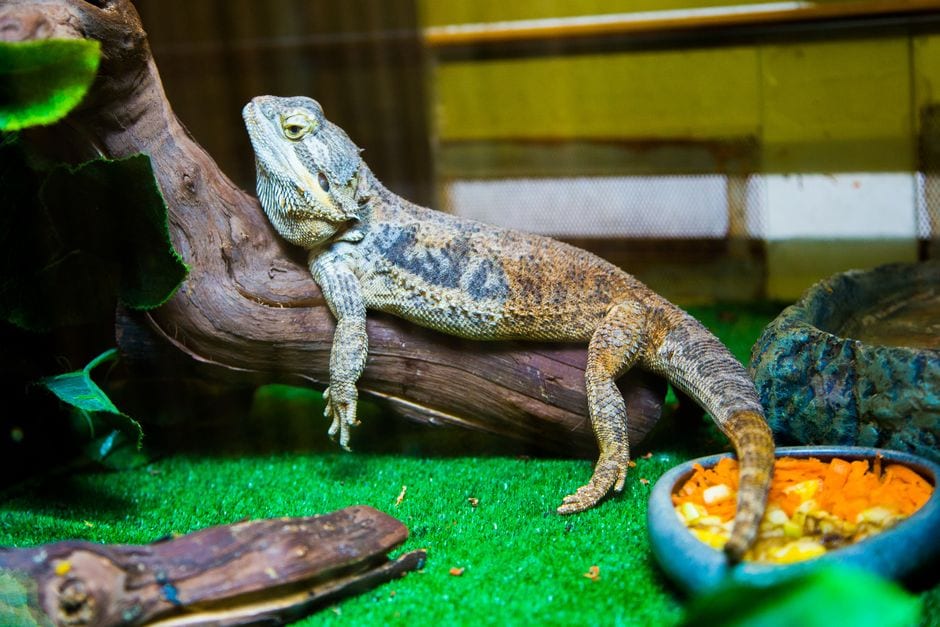 Photo by Dmitry Sidorov on Pexels · https://www.pexels.com/@dmitry-sidorov-2775764 |
Space and routine: Provide room to move, climb and hide, then keep the enclosure clean. Watch normal behavior as closely as the equipment readings: activity, basking, eating and droppings are useful clues. Our natural tank guide has ideas for furnishing a useful habitat without making daily cleaning harder. When should you call a reptile vet?Do not wait for an annual check if your dragon has persistent loss of appetite, unexplained weight loss, weakness, swelling, trouble moving, abnormal breathing or a clear change in behavior. Reptiles can conceal illness. Seasonal slowing can happen during brumation, but do not assume that a sick or losing-weight dragon is simply brumating. The RSPCA care guide recommends veterinary advice when health concerns appear. A reptile veterinarian can review body condition, diet, lighting and enclosure measurements together. Bring recent weights, a list of foods and supplements, the bulb type and age, and photos of the setup. If you are new to reptile care, our first vet visit checklist can help you prepare. An online lifespan chart cannot diagnose an individual animal. Quick answers about bearded dragon ageHow long do they live as pets? Expect a long-term commitment. UC Davis lists 7–10 years with proper care; the RSPCA lists a usual range of 10–15 years or more. The ranges differ, and an individual may fall outside either one. Can you tell age from size? Size alone is a rough clue, especially once growth slows. Diet, sex, genetics and past care can affect size. If you did not receive a hatch date, a vet can assess health and approximate life stage, but may not be able to give an exact birthday. What matters most right now? Check the habitat and the dragon you have today. Confirm UVB and heat are appropriate, offer suitable food, track weight and behavior, and seek reptile-vet advice when something changes. Good care improves the odds of a healthy life without promising a particular number of years. |
17 Comments
Join the conversation
Does anyone have experience with dragons that stopped eating in winter? Ours does this every year and our vet says it is normal brumation behavior but it still stresses me out every single time.
kevin_scaledOurs does the exact same thing every single November and I swear it gets me every year no matter how many times the vet reassures me. What helps me is keeping a journal year to year so I can look back and see it is the same pattern. Makes it feel a little less alarming when you have the receipts.
The food section is spot on. I used the same insect ratio I started with when she was a juvenile for way too long. A vet finally adjusted it when she was around 3 and she seemed so much more energetic after.
I had mine for 11 years and I still think people underestimate the vet costs. A single visit to a reptile specialist in our area runs well over a hundred dollars before any tests. Plan for that budget wise.
Thank you for sharing that, it's a really important point, and it's exactly why we mention access to a reptile veterinarian as part of the long-term budget alongside lighting, food, and habitat upkeep. Eleven years with your dragon is a wonderful testament to committed care.
Honest question, are there rescue organizations specifically for bearded dragons? We lost ours last spring and are thinking about adopting rather than buying from a breeder this time.
My vet recommended a specific UVB index for bearded dragons that was higher than what I had been providing. The Merck manual link in here is actually really useful if you want the background on why that matters for calcium.
What counts as a suitable retreat temperature wise? We keep the cool side around 85 and I am now second guessing whether that is still too warm after reading about the gradient setup.
We adopted ours thinking it would be like a low maintenance pet. Seven years later I have a reptile vet on speed dial and a dedicated drawer for supplements. No regrets but definitely do your research first.
Priya NathThe dedicated supplement drawer is so real. I told my partner before we got ours that it would be simple and now I have a spreadsheet for his feeding schedule. Still love him to bits though. You are right, research first saves a lot of surprises.
Weighing your dragon regularly is such underrated advice. That is how we caught that our boy had stopped gaining weight before he even looked visibly thin. Vet caught a gut issue early because of it.
I appreciate that the article did not just give one tidy average number. My last dragon lived to 12 and my current one passed at 6 from MBD we did not catch in time. The range feels more honest.
Can anyone clarify the UVB bulb replacement schedule? Ours looks fine visually but I read somewhere the UV output drops before the light actually burns out. Is that true?
jess_lizardmomYes that is true. The visible light keeps going but the UVB output fades well before the bulb burns out. Most manufacturers recommend replacing every 6 months for T8 bulbs and around 12 months for T5 HO, but it really depends on the brand. A UVB meter is the only way to know for sure. Worth the investment if you want to stop guessing.
The part about glass blocking UVB is something I wish I had known sooner. We had her tank set up for almost a year before a reptile vet mentioned it at a checkup. Switched to a mesh top and things improved noticeably.
Our girl Peaches just turned 9 and is still going strong. We had no idea when we got her that we were signing up for a decade plus commitment. Worth it though, she has so much personality.
Sandy R.Nine years and still going, that is awesome! Peaches sounds like a character. Ours just hit 7 and I totally agree about the personality thing. People always assume reptiles are boring pets and then they meet him and change their tune fast.