
Bearded Dragon Poop: What’s Normal and When to Call a Vet |
A practical guide to healthy droppings, frequency, warning signs, and fecal exams |
Conny Jo
Sep 24, 2026
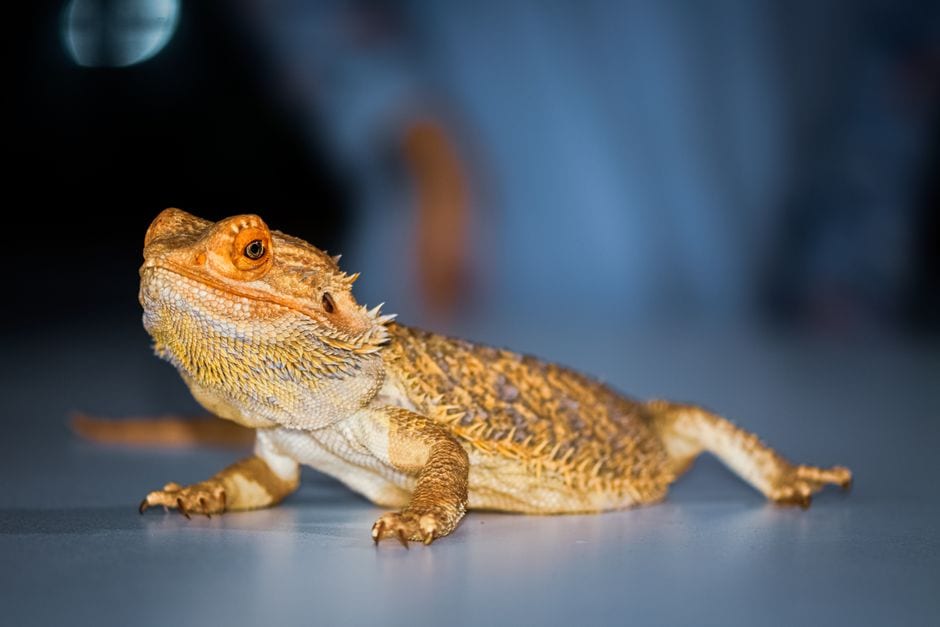
Bearded dragon poop can tell you something about your pet's routine, but one odd dropping is not a diagnosis. Look at the whole dragon: appetite, energy, weight, hydration, and what has changed in the enclosure. What does healthy bearded dragon poop look like?A typical dropping has a formed brown fecal portion and a white or cream-colored urate portion. Urates are the solid way reptiles eliminate much of their nitrogen waste. A little clear liquid may appear alongside a fresh dropping. Food can change color and texture. Greens, insects, and a sudden diet change may alter what you see the next day. Watch for a pattern instead of judging one sample in isolation. Take a quick photo when something looks unusual. Note the date, recent meals, basking conditions, and whether your dragon is acting normally. That record is much more useful to a reptile veterinarian than a color guess alone. How often do bearded dragons poop?There is no one schedule for every dragon. Young animals often eat and pass stool more often than adults. Feeding, activity, temperature, hydration, and brumation can all affect the timing. Learn your own dragon's usual pattern. A missed day in an alert, eating adult may mean something different from a longer change paired with poor appetite or straining. Check the temperature gradient and basking setup with suitable thermometers, and review the diet before assuming the animal is constipated. Reptiles depend on appropriate environmental warmth for normal bodily function. |
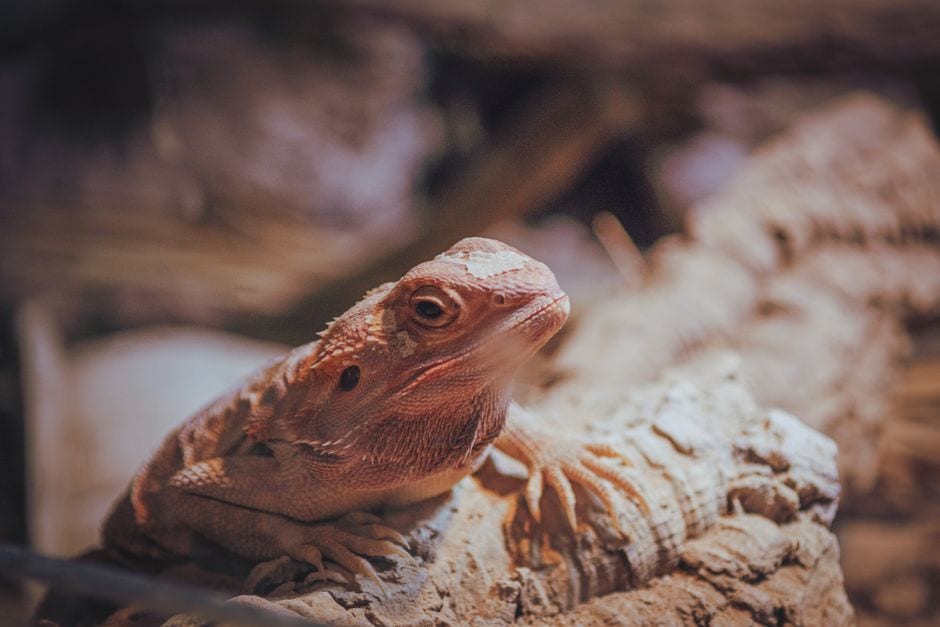 Photo by Matthew Jesús on Pexels |
Bearded dragon poop chart: what changes matter?Formed brown stool with white urates: a common appearance; compare it with your dragon's usual droppings and behavior. Loose or watery stool: sometimes follows a diet change, but repeated diarrhea, a strong foul odor, weight loss, or low energy calls for a reptile vet. Intestinal parasites are one possible cause, and a fecal exam can help investigate. Very dry, hard stool or straining: review hydration, diet, and enclosure temperatures, then ask a reptile vet for advice if it continues. A swollen belly, marked discomfort, or inability to pass stool needs prompt assessment. Blood, black tar-like material, or an unusual urate color: do not try to diagnose it from a chart. Photograph the dropping and contact a reptile veterinarian, especially if your pet also seems unwell. When should you call the vet?Call promptly for repeated diarrhea, blood, persistent straining, a swollen abdomen, weight loss, or a dragon that stops eating and seems lethargic. If your dragon is severely weak or deteriorating, seek urgent veterinary care. Do not give human laxatives or attempt an enema at home. A veterinarian can examine your dragon, check the enclosure history, and decide whether a fresh fecal sample, imaging, or other tests are appropriate. If asked to bring a sample, collect a fresh one in a clean, sealed container and follow your clinic's storage instructions. A fecal examination can identify certain parasites, although the result has to be interpreted with the animal's symptoms and history. Remove droppings promptly and wash your hands after handling the dragon or cleaning the enclosure. Reptiles can carry germs even when they look healthy. Sources and related readingVCA Animal Hospitals: Bearded Dragons—Diseases · VCA: Owning Bearded Dragons · Merck Veterinary Manual: Parasitic Diseases of Reptiles New to reptile care? Read what to bring to your bearded dragon's first vet visit. |
A simple cleanup trickHere is a tip from our own beardie routine: use a small disposable paper cup, like a dental rinse cup, to scoop the dropping from the enclosure. Tip it into a dog waste bag, tie the bag, and throw it away. It is quick, keeps your hands away from the mess, and makes spot cleaning easier. Use a fresh cup or a dedicated washable scoop each time, clean any soiled enclosure surfaces, and wash your hands afterward. If your vet asks for a fecal sample, follow their collection and storage instructions instead of bagging it for disposal. |
Helpful supplies for cleanupThese two products fit the simple cup-and-bag routine above. Choose the supplies that suit your setup, and follow the cleaner’s label directions. As an Amazon Associate, we earn from qualifying purchases. Persistent diarrhea, blood, straining, or a dragon that seems unwell needs a reptile veterinarian. |
Make the daily scoop a quick, contained job |

Earth Rated Unscented Dog Waste Bags |
Use a small disposable cup or dedicated scoop to lift the dropping, tip it into a bag, tie it, and discard it. These unscented bags keep the routine simple; use a clean sealed container instead when your vet requests a sample. |
|
| See the bags on Amazon |
Clean the surface after the mess is gone |

Zoo Med Wipe Out 1 Terrarium Disinfectant |
After removing waste, use this terrarium cleaner on soiled enclosure surfaces according to its label. Take your dragon and furnishings out first; allow the surface to dry and ventilate before returning your pet. It does not replace a vet visit for concerning droppings. |
|
| See the cleaner on Amazon |
16 Comments
Join the conversation
The advice to note the date and recent meals is underrated. I kept a little notebook for my dragon for about a month and I learned more about her routine from that than anything else I read online.
That's exactly the kind of observation we had in mind, a simple log of meals, temperatures, and droppings over even a few weeks gives you a personal baseline that no general guide can replicate for your specific dragon. A notebook (or even a phone note) handed to your vet is genuinely one of the most useful things you can bring to an appointment.
Wish I had read something like this when I first got Biscuit. I called the vet after one weird looking dropping and felt pretty embarrassed when she said it was probably just the hornworms I had fed him.
My vet actually told me to bring in a fresh stool sample once a year to check for parasites. Worth asking about if you have not done that yet. Easy to do and gives you peace of mind.
How long is too long without going for an adult? Like at what point should I actually call the vet? My guy skipped about 5 days but was still eating and acting normal. I just want a rough idea.
priya_beardiemomFrom what I've read and heard from my vet, 5 days in an adult who is eating and acting normal is usually not an emergency, but around the 7 to 10 day mark most vets say it's worth a call. Warm baths can sometimes help move things along too.
Good reminder to check the temperature gradient before assuming constipation. I spent weeks worrying and turns out my thermometer was reading wrong the whole time. Reptiles really need that warmth to digest properly.
DesmondVThis happened to me too. I had a cheap stick-on thermometer that was way off. Got a digital probe and suddenly everything made a lot more sense. Such an easy fix that I put off way too long.
The bit about greens changing color is so true. I gave my guy a bunch of beets mixed in once and almost had a heart attack the next morning. Lesson learned.
Beardies and leopard geckos are so different with this stuff. My gecko is way more predictable. My sister's dragon seems to operate on its own schedule no matter what she does.
I appreciate that this says not to judge one dropping in isolation. I went down a rabbit hole once reading forums and convinced myself something was seriously wrong. She was totally fine.
Cassie PrentissForum rabbit holes with reptile health are genuinely dangerous for your anxiety. I had to learn to step back and just watch the actual dragon instead of matching symptoms to worst case posts.
Does brumation really slow things down that much? My girl barely pooped for almost three weeks last winter and I was so worried. She came out of it fine but I had no idea that was normal.
I started taking photos like this suggests and honestly it saved me a stressful vet call. I could see the difference was just from the big salad I gave him the day before. Good tip.
The urate explanation is really helpful. I always thought the white part was something wrong. Nobody told me that when I first got my dragon and I panicked more than once.
My beardie Mango is about 3 years old and goes like clockwork every other day. I never realized how much the basking temp affected that until I got a proper digital thermometer. Night and day difference.