
Is Your Bearded Dragon’s Mouth Telling You Something? |
Appetite changes and visible mouth trouble deserve a reptile veterinarian’s eye |
Conny Jo
Sep 22, 2026
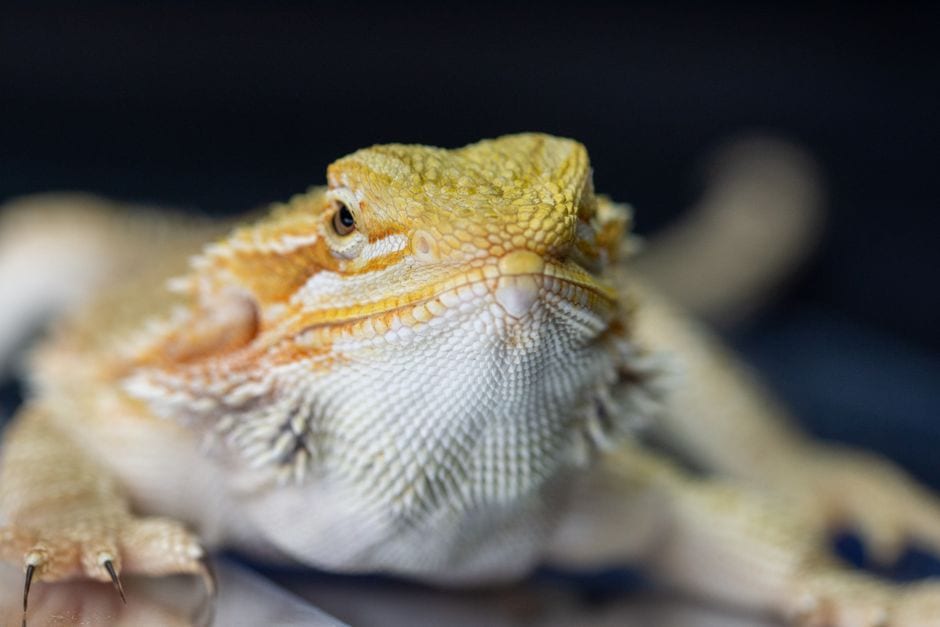
A dragon that turns away from a favorite feeder may be giving you a clue that has nothing to do with pickiness.
The mouth is easy to overlook because owners rarely see more than a quick snap at food.
UC Davis described a bearded dragon named Rex whose reduced appetite and low energy came with serious oral disease.
That case is an example, not a way to diagnose your own dragon from one symptom.
Notice whether the animal approaches food but stops, drops it, chews differently, or avoids foods it previously ate.
Look for visible swelling around the jaw, discharge, bleeding, or a clear change in the appearance of the gums or teeth.
Do not pry the mouth open or scrape a suspicious area at home to get a better view.
A reptile veterinarian can examine the mouth safely and decide whether a deeper assessment or imaging is needed.
UC Davis explains that oral problems in bearded dragons can include inflammation of the mouth and gums.
VCA’s bearded dragon problems guide also describes jaw abscesses related to mouth trauma or infected teeth.
A single skipped meal has many possible explanations, including environment, stress, seasonal changes, and illness.
The useful habit is to look at the whole picture rather than reaching for a diagnosis from a photo online.
Note when appetite changed, whether weight is moving, and what else changed in the enclosure or daily routine.
Check that basking heat and UVB setup remain appropriate; poor conditions can complicate feeding and health.
Photo by Lily on Pexels |
 Photo by Andrey Strizhkov on Unsplash |
Take a clear photo if the mouth briefly opens naturally, but avoid stressing the animal just for a picture.
Record whether the dragon is still drinking, moving normally, and producing its usual stool.
If you see a wound, swelling, discharge, or ongoing refusal to eat, contact a veterinarian who treats reptiles.
Describe exactly what you observed and how long it has been happening rather than calling it mouth rot yourself.
The veterinarian may check the mouth alongside hydration, weight, and the rest of the body.
That broader exam matters because the visible mouth change may be only part of the problem.
UC Davis’s case involved coordinated treatment by exotic-animal clinicians after assessment, not a simple home cleaning trick.
Never apply a household disinfectant, human dental product, or leftover medication inside a dragon’s mouth.
Ask the veterinarian whether any feeding or habitat adjustment is needed while a condition is evaluated.
Keep a copy of the diagnosis and treatment directions so that everyone in the home follows the same plan.
VCA recommends an early reptile examination that includes looking at the oral cavity, even for a newly acquired dragon that seems healthy.
At routine visits, mention subtle changes you have noticed rather than waiting for a dramatic symptom.
The takeaway is to treat a changed appetite as useful information, especially when the mouth or jaw looks different.
A timely examination offers a much safer answer than guessing which internet remedy might work. |
17 Comments
Join the conversation
This is genuinely helpful for newer owners like me. I always assumed appetite changes meant I was feeding the wrong food. Did not even think about the enclosure setup or the UVB bulb being a factor. Going to double check mine today.
FirstTimeLizardLadyUVB was the one I overlooked for way too long. Those bulbs can lose effectiveness before they actually burn out so you would never know just by looking at them. Definitely worth checking when you replaced it last.
The seasonal change point is worth mentioning more. My beardie almost completely stopped eating every autumn for three years straight and it lined up with brumation pretty clearly. Context matters so much when you are trying to figure out what is going on.
I had no idea inflammation of the gums was even a thing bearded dragons dealt with. That changes how I look at his mouth during feeding time. I am going to start watching more carefully instead of just celebrating when he eats.
My guy dropped weight pretty fast last spring before I noticed anything was off with his mouth. Regular weigh ins at home really do help catch things early. A kitchen scale works fine for smaller dragons.
Just want to say finding a reptile vet in my area was harder than I expected. Took me three calls before I found a practice that actually had experience with lizards. Worth doing the search before you need one urgently.
The tip about noting when appetite changed and tracking weight is actually really practical. I started keeping a simple notes file on my phone for my beardie and it has helped so much when I do need to describe something to the vet.
That's exactly the kind of habit that makes vet visits so much more productive, a timestamped notes file gives your vet real context instead of rough guesses. The whole-picture approach mentioned in the article only works as well as the records behind it.
I appreciate that the article is clear about not diagnosing from one symptom. I see so many posts in reptile groups where someone shares a single photo and gets ten different confident diagnoses from strangers online.
Rex the beardie from UC Davis is such a good reminder that reduced energy can be a sign and not just a personality quirk. My old dragon got sluggish before his illness and I kept chalking it up to him getting older.
The jaw abscess info from the VCA guide is something I had never considered before. My dragon dropped a superworm last week and I just assumed she was full. Now I am paying a lot more attention to how she actually chews.
Priya M.Same thing happened with my guy. He started dropping food and I just thought he was being picky. Ended up being a small cut in his mouth that got irritated. Definitely worth a closer look when the eating behavior changes even slightly.
Does anyone know roughly how often bearded dragons should see a reptile vet even when nothing seems wrong? I have had mine for two years and have only gone once for a sick visit.
sandydunes87From what I have read, most reptile vets recommend at least once a year even for healthy ones. Kind of like a wellness check. Two years with only one visit is probably worth catching up on, especially since they can hide illness pretty well.
The part about not prying the mouth open at home is so important. I made that mistake once trying to get a better look and stressed my guy out completely. Reptile vet visit was the right call and I wish I had gone sooner.
My beardie Mango stopped eating crickets for almost two weeks and I was convinced it was brumation. Turned out his temps had dropped on the cool side without me noticing. Always worth checking the basics first before assuming the worst.
TerraKeeper_JessThis is such a good reminder. I went through the exact same panic with my girl and it turned out my thermometer had died and I had no idea. A cheap digital probe with a probe tip made a huge difference for actually knowing what the temps are doing.