
Should Two Bearded Dragons Share One Tank? |
A friendly-looking pair can still compete for food, heat, and space |
Conny Jo
Sep 23, 2026
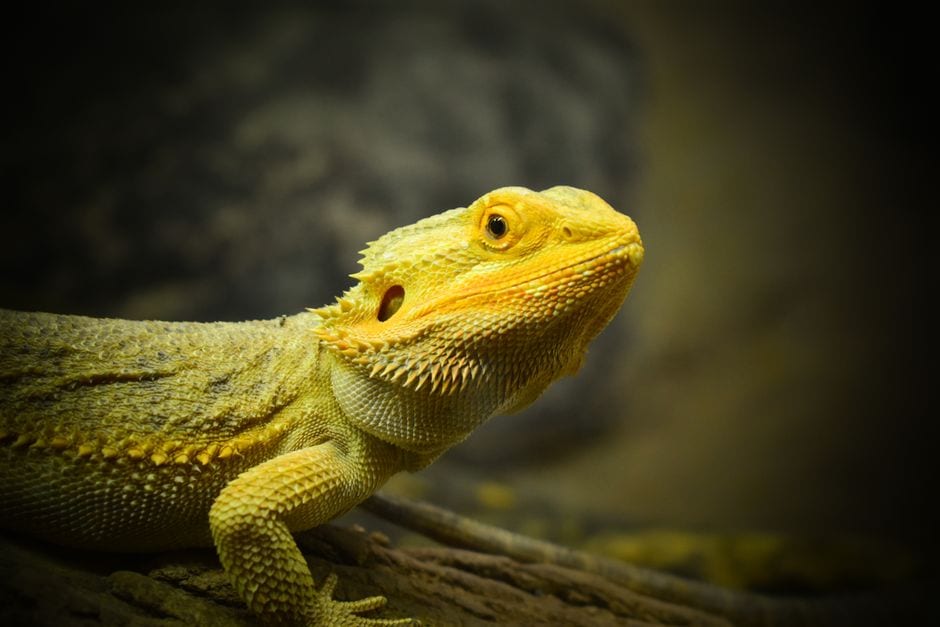
Two dragons sitting on the same basking rock can make a charming picture, but it does not tell you whether both have what they need.
Bearded dragons do not require a tankmate to thrive, and shared housing brings risks that are easy to miss.
A veterinary study of captive central bearded dragons in Australia describes the species as solitary and reports injuries connected with attacks by cage mates.
That clinic-based evidence does not mean every pair will fight today, but it makes the downside of cohabitation concrete.
VCA’s housing guide notes territorial fighting among adult males and possible aggression even among females housed together.
Some care guides allow carefully monitored groups in large enclosures, so the advice is not worded identically everywhere.
For an ordinary home keeper, one dragon per enclosure is the simpler way to give each animal reliable access to necessities.
Each dragon needs its own workable basking area, temperature gradient, food, shelter, and room to move.
A larger tank does not erase the need to watch whether one animal monopolizes the best spot.
Shared feeding makes it harder to tell how much each dragon actually ate.
A quieter dragon may lose access before the owner sees an obvious bite or chase.
Separate housing also makes changes in appetite, stool, and behavior easier to attribute to the right animal.
Do not interpret a pile of dragons under one lamp as proof of affection; they may all be seeking the same heat.
The RSPCA’s bearded dragon guidance describes territorial behavior and the possibility of fights among grouped females.
Photo by Râmbeț Ioana on Pexels |
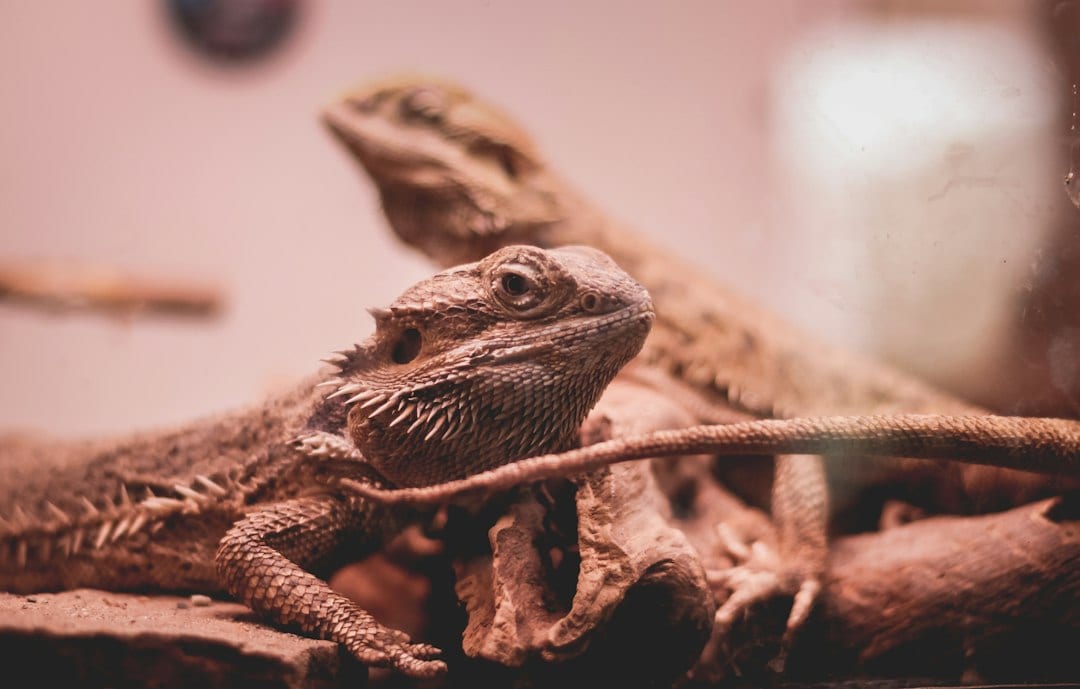 Photo by Kristijan Arsov on Unsplash |
If you already keep two together, take a close look at each animal rather than assuming that an apparently calm tank is settled.
Check for bite marks, missing toes, weight differences, repeated chasing, guarding of food, and a dragon that rarely gets the best basking position.
An injury or a sudden change in behavior warrants prompt separation and advice from a reptile veterinarian.
Plan a complete second habitat before moving a dragon, with suitable heat, UVB, and measured temperatures.
An empty spare container without proper heating and lighting is not a long-term housing plan.
Ask a reptile-experienced veterinarian about any wounds or health changes; small-looking injuries can need care.
Keep the pair’s records separate so you can track weights and feeding after the move.
Watch each dragon in its own space over the following days and note its appetite and basking pattern.
Providing separate homes can also make an owner’s observations much more useful.
A comfortable solitary dragon does not need a companion animal as an enrichment project.
Give it safe choices within its own enclosure: a hide, stable climbing surfaces, and a usable basking site.
Then let behavior guide modest changes without forcing another dragon into the space.
The practical standard is whether each animal can reliably use its habitat without competition.
Separate enclosures make that standard much easier to meet and to verify. |
17 Comments
Join the conversation
The temperature gradient point is something I never thought about with shared housing. Even if the tank is big enough, there is really only one sweet spot for basking and two animals cannot both own it at once.
I have three beardies all in separate enclosures and people always ask if they get lonely. They really do seem completely unbothered by being alone. Lots of activity, good appetites, no drama.
carol_wThis is exactly what I tell people. Beardies are not social the way dogs or parrots are. They are not sitting there wishing for a friend. Your three being active and eating well is a much better sign than any shared tank setup I have seen.
Good write up. The vet study reference is helpful because a lot of the "they do fine together" advice online comes from anecdotes and not much else. Nice to see an actual source cited.
The part about a quieter dragon losing access before you ever see a chase is really important. Stress in beardies can be so subtle. Mine stopped basking normally for weeks and I thought it was seasonal.
You've touched on exactly why we highlighted that point, subtle behavioral shifts like reduced basking are so easy to chalk up to brumation or seasonality when a tankmate stress dynamic could be the real culprit. Separate housing makes it so much easier to catch those early signals before they become a bigger health concern.
Can a reptile vet actually tell from a checkup if a dragon has been stressed by a cagemate long term? Asking because I just separated mine and curious if there are signs that linger.
ReginaldCMy vet mentioned that chronic stress can sometimes show up in bloodwork, things like elevated white cell counts. Worth asking yours specifically about it at the next visit. They may want to do a panel just to get a baseline now that yours are separated.
I get why people want to keep two together, a big tank with two dragons looks amazing. But looking cool and actually working well for the animals are pretty different things.
tom_b87That's honestly a good way to put it. I think a lot of setups get built around what looks impressive rather than what the animals actually need. Separate tanks are less photogenic but way less stressful for everyone involved, including the owner once you realize how much easier it is to monitor each one.
The feeding point is so real. I used to do shared feeding and had no idea who was eating what until one of them started looking hollow. Separate tanks changed everything for me.
My first beardie had a cagemate for about four months. Found a bite mark on his tail that I honestly thought was a shed problem. Vet said otherwise. Never again.
Does anyone know if this changes for juveniles versus adults? I've seen some breeders keep young ones together temporarily. Wondering if age actually matters here or if the risk is the same either way.
I keep mine separate and honestly it makes everything so much easier. I know exactly what each one ate, what each one pooped, and if something changes I know right away who to bring to the vet.
The part about not reading a pile under the lamp as affection got me. I always thought mine were being cute. Now I'm wondering if they were just both cold and competing for the same spot.
Mike D.Same realization hit me a while back. Mine would both rush to the basking spot every morning and I thought it was sweet. Turns out the smaller one was just always a little cooler than she should have been. Separated them and she perked right up.
This is exactly what I wish I had read before setting up a 120 gallon and thinking two females would be fine. One of them dropped weight for three weeks before I figured out she was getting bullied off the food bowl every single morning.