
Your Bearded Dragon’s First Vet Visit: What to Bring and Ask |
A simple checklist makes a reptile checkup more useful |
Conny Jo
Sep 20, 2026
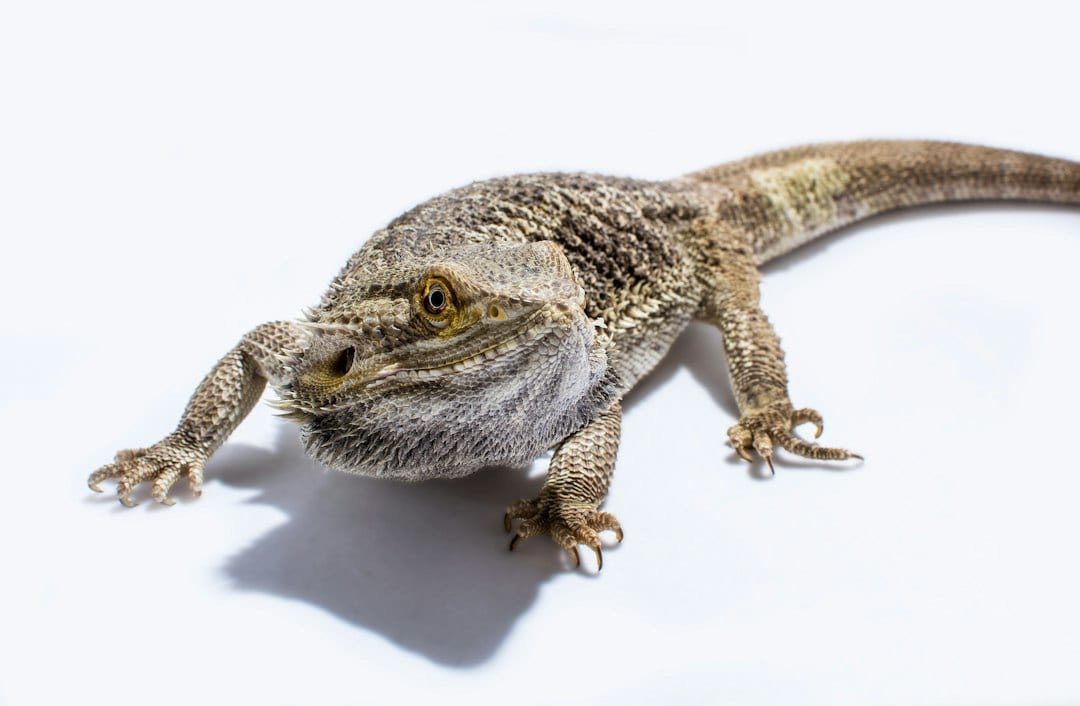
A new bearded dragon can look bright and alert while carrying a problem that is hard to spot at home.
That is why an early visit with a reptile-experienced veterinarian belongs on the setup checklist, beside the lights and habitat.
VCA’s bearded dragon care guide recommends an examination soon after acquisition, including a weight, mouth and body check, and a fecal examination.
Before you go, call the clinic and confirm that the veterinarian regularly sees bearded dragons, since reptile medicine is a specialized field.
Ask whether the clinic wants a fresh stool sample and how it should be packaged for that particular appointment.
VCA’s new-reptile visit guide recommends bringing a fresh sample for parasite testing.
Bring a short record of what the dragon eats, how often it eats, and whether its appetite has changed.
Photos of the enclosure can save time when the veterinarian asks about heat, UVB placement, hides, flooring, and water.
Write down the basking and cool-side temperatures you actually measured, plus the thermometer and light products you use.
A product label alone cannot show where the dragon sits or whether a bulb is blocked by glass or mesh.
Record recent weights if you have them, but do not delay a visit to collect a perfect spreadsheet.
Tell the veterinarian about changes in stool, movement, breathing, shedding, or behavior, even when each change seems small.
A photo or short video from home may help explain a behavior that never happens in the exam room.
Ask the clinic how to transport your dragon securely and keep it at a safe temperature during the trip.
Photo by Gary Ellis on Unsplash |
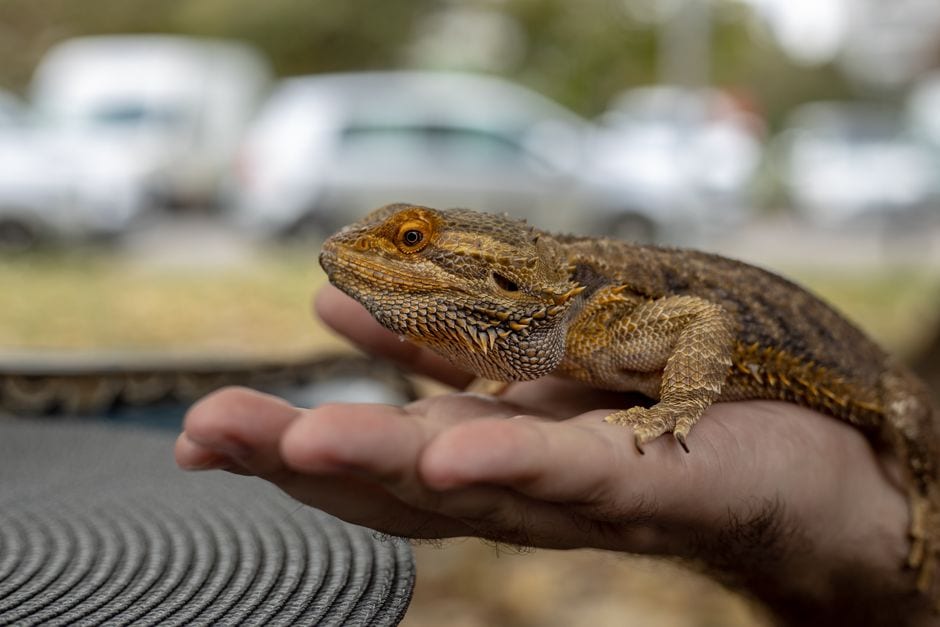 Photo by Boris Hamer on Pexels |
The aim is to bring a calm animal and useful observations, not to perform a diagnosis yourself.
At the appointment, expect questions about the entire care routine rather than just the one symptom that prompted the visit.
VCA describes checks of weight, general condition, mobility, and, when indicated, diagnostic testing during a reptile examination.
A fecal test can find intestinal parasites that are not obvious from a dragon’s outward appearance.
Ask what the actual test found and whether follow-up testing or treatment is recommended for this individual animal.
Do not start a parasite remedy or supplement schedule merely because another owner’s dragon received one.
Review the food plan and calcium and lighting routine together, because diet and the environment work as a system.
If the dragon seems well, ask what a normal baseline weight and activity pattern looks like for its age and condition.
Make a note of what would justify calling the clinic promptly rather than waiting for the next routine visit.
VCA’s annual reptile exam guide explains why regular checkups can catch changes before they become serious.
After the visit, keep the record of weight, test results, and recommendations where you can find it next time.
That way, an owner and veterinarian can compare a real history instead of relying on memory during a stressful week.
The best question to leave with is simple: what should I watch for in my own dragon over the next month?
An early checkup turns a collection of care tips into a plan shaped around the animal living in your home. |
17 Comments
Join the conversation
The glass and mesh blocking the bulb point is something I never would have thought about. Going to double check my setup after reading this. Thanks for bringing it up.
kira_scaled_famWorth checking! I had mine too close to the screen and was losing a ton of UVB before it even reached my dragon. Moved it inside the enclosure and made a big difference.
My beardie looked totally healthy when we got him. First fecal test came back with pinworms. No symptoms at all. Super glad we did not skip that first appointment.
Phil GarnerSame thing happened with ours. She was eating fine, acting normal, zero signs of anything wrong. Vet said pinworms are really common in pet store dragons and most never show obvious symptoms. Definitely not a visit worth skipping.
The bit about not delaying the visit to get a perfect weight log really resonated. I kept putting it off trying to collect more data. My vet told me to just come in and we can track from there.
Not to be that person but finding a reptile vet in a rural area is genuinely hard. Closest one to me is over an hour away. Worth the drive though once you find a good one.
How warm does the car need to be during transport? We are going into fall and I worry about keeping her warm enough on the drive over. Has anyone asked their vet about this?
The temperature log tip is underrated. Writing down what your actual thermometer reads on both sides is way more useful than just saying the basking bulb is a certain wattage.
HerpHobbyist_LouYes! Wattage means nothing without knowing how far the bulb is from the basking spot. Two setups with the same bulb can read completely different temps depending on the enclosure.
I feel like a lot of pet stores should mention this stuff when you buy a beardie. We went almost a year before we knew a vet check was even recommended. He turned out fine but still.
Ok the video tip is really helpful. My guy does this weird head tilting thing that I can never reproduce when I am actually at the vet. Going to start recording him more often.
I had no idea reptile medicine was a specialized field until my beardie got sick and the regular vet basically said the same thing. Found a herp vet two towns over and it made a huge difference.
Brought a fresh fecal sample to our first visit and the vet was so relieved. Apparently a lot of new owners show up without one and they have to reschedule the parasite test.
Does anyone know how to find a vet who actually sees reptiles regularly? I called three places near me and they all said yes but then seemed pretty unsure once I got there.
That's such a frustrating experience, and unfortunately not uncommon, as the article mentions, reptile medicine is a specialized field, so it's worth going a step further and asking specifically how many bearded dragons they see per month before booking. The Association of Reptile and Amphibian Veterinarians (ARAV) also maintains a member directory that can help you find someone with a genuine focus in the area.
The part about photos of the enclosure is so smart. My vet spent like 10 minutes asking me questions I had no idea how to answer off the top of my head. Wish I had thought to take pictures beforehand.
TerraKeeper_JenHonestly same experience. I just stood there going blank when she asked about the cool side temps and what brand my UVB was. A few photos would have saved us both a lot of guessing.